
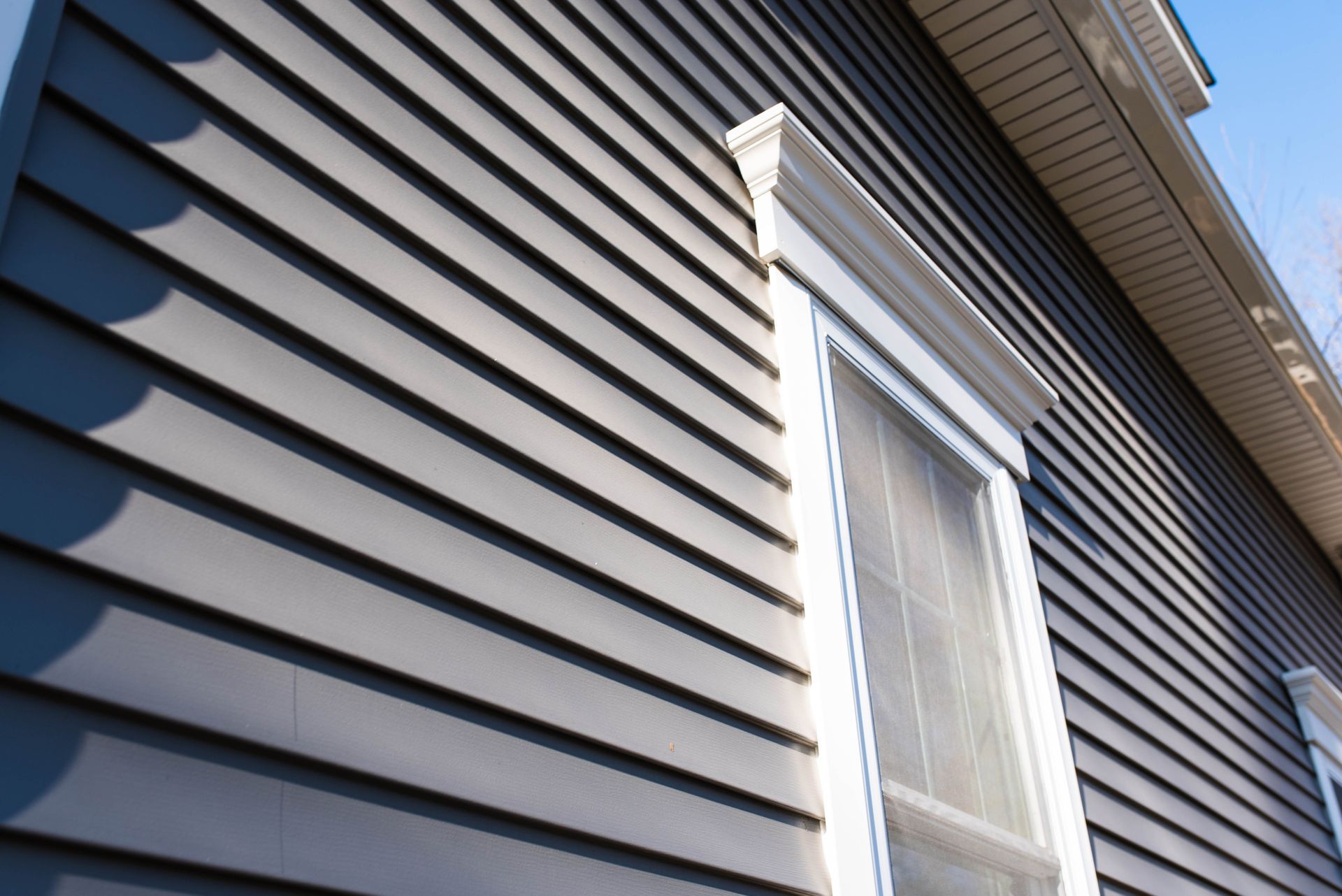
Exteriors Built to Handle Year-Round Exposure
Siding in Services tab for properties with rotting panels, faded surfaces, and moisture infiltration
Warped siding panels, paint that peels despite recoating, and visible gaps where walls meet trim indicate that exterior cladding no longer protects the structure beneath. Moisture works behind failing siding and saturates sheathing, creating conditions for mold growth and wood decay that compromise wall integrity. Ricoflow Home Services installs siding systems that manage water drainage and thermal expansion across all four seasons, addressing both cosmetic deterioration and the underlying failures that allow weather infiltration.
The work begins with removing old siding to expose sheathing for inspection—damaged areas get cut out and replaced with new material that provides a solid nailing surface. House wrap goes over the sheathing to shed water that penetrates the cladding, and flashing integrates around windows and doors to direct moisture outward rather than into wall cavities.
Arrange an on-site consultation to review current damage patterns and material options suited to local climate conditions.
How Siding Installation Addresses Water Penetration
Water damage begins where siding meets horizontal surfaces—window sills, door thresholds, and deck ledgers create intersections that require layered flashing to prevent capillary action from pulling moisture into wall assemblies. Each siding panel overlaps the one below it, and fasteners penetrate only through the nailing hem so thermal movement doesn't cause buckling or cracking. Corner trim and J-channel provide expansion space that accommodates the material's response to temperature swings without forcing panels to warp or pull loose.
Once installation finishes, walls appear uniform in color and texture without waviness or misaligned seams that signal improper fastening. Interior walls stay dry during heavy rain because water no longer tracks behind the cladding, and heating costs stabilize since gaps that allowed air infiltration are sealed. The siding remains flush against the wall through seasonal changes because fasteners allow controlled movement rather than locking panels rigidly in place.
The service includes removal of existing siding, sheathing repair where water damage has occurred, and installation of new cladding with properly integrated trim and flashing. It does not address structural framing issues such as rot in wall studs or foundation settling that causes walls to shift out of plumb—those require separate carpentry or foundation work. Material choice depends on maintenance preferences, budget constraints, and whether the home's architectural style limits options to specific profiles or finishes.
Common Questions About This Service
Homeowners considering siding replacement often ask about material performance, installation details, and long-term maintenance requirements.
What determines whether siding needs full replacement or partial repair?
Isolated damage from impact or a single leak point can be repaired if matching material is available and surrounding panels remain structurally sound, but widespread fading, brittleness, or moisture stains indicate that the entire system has reached the end of its functional lifespan. Patch repairs on compromised siding often fail within months because adjacent areas continue deteriorating.
How does climate in Services tab affect siding material selection?
Temperature extremes cause expansion and contraction that stress fastener points, so materials with higher thermal stability—such as fiber cement—perform better than vinyl in areas with wide seasonal swings. Moisture levels determine whether wood-based products require additional sealing or whether non-porous options prevent the rot cycles common in humid regions.
What happens to the wall assembly during siding installation?
Old siding comes off in sections, exposing sheathing for inspection—soft spots get cut out and replaced with new plywood or OSB. House wrap goes over the sheathing as a drainage plane, windows and doors receive new flashing, and furring strips may be added to create ventilation space behind the new cladding if moisture management requires it.
Why do some siding installations develop gaps or buckling after a few seasons?
Overdriven fasteners that pin the siding tightly prevent thermal movement, causing panels to buckle when temperatures rise. Insufficient expansion gaps at corners and trim force the material to compress or warp rather than move freely within the designed tolerances.
How long does new siding typically last before requiring maintenance?
Fiber cement siding maintains its integrity for decades with only occasional repainting, while vinyl remains stable but may become brittle after fifteen to twenty years depending on UV exposure. Wood siding requires periodic staining or sealing to prevent moisture absorption that leads to rot and insect damage.
Ricoflow Home Services provides material samples and performance specifications so you can evaluate options based on appearance, durability, and maintenance expectations. Schedule an evaluation to assess your current wall condition and receive a project timeline tailored to your home's specific requirements.