
Buildings Designed for How People Actually Live
Architecture in Service tab for residential and commercial spaces that respond to site conditions and daily use patterns
Ricoflow Home Services provides architecture services that start with understanding how a building will be used before a single line is drawn. You work with designers who evaluate site topography, solar orientation, local zoning constraints, and the specific activities that will happen in each space. The design process accounts for how natural light moves through rooms at different times of day, where mechanical systems need to be located for efficiency, and how traffic patterns affect layout decisions.
Architectural design involves translating functional requirements into floor plans, elevations, and construction documents that builders can follow. The process includes site analysis to determine optimal building placement, schematic design to establish spatial relationships, and detailed drawings that specify materials, dimensions, and structural requirements. Decisions about window placement, ceiling heights, and room adjacencies are made based on how you'll move through and use the space rather than aesthetic preferences alone.
Schedule a project consultation to review your site conditions and spatial requirements.
What Proper Architectural Planning Addresses
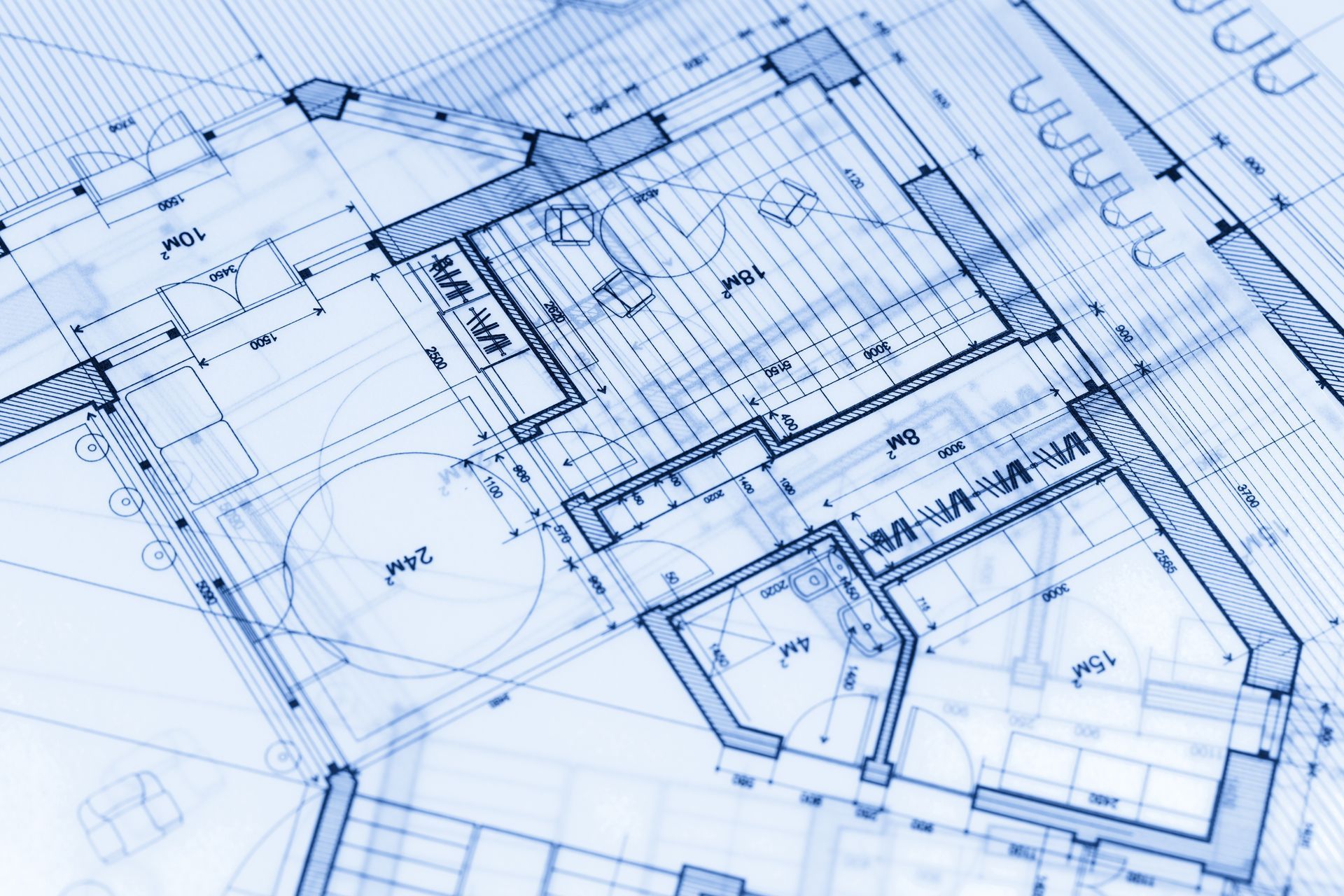
Architectural services begin with measuring existing conditions if you're renovating, or surveying the site if you're building new. Your designer evaluates soil reports, setback requirements, easements, and utility locations that affect where the building can be placed and how large it can be. Design development includes creating floor plans that show room dimensions, door swings, window locations, and how interior spaces connect to outdoor areas.
Once the design is complete, you receive construction documents that include detailed floor plans, exterior elevations showing what each side of the building looks like, building sections that reveal wall assemblies and ceiling heights, and specifications for materials from foundation to roofing. These documents allow contractors to provide accurate bids and build exactly what was designed. You'll notice that spaces feel appropriately sized for their intended use, that natural light reaches areas where you spend the most time, and that circulation paths make sense for how you move through the building daily.
The design process also addresses code compliance, including egress requirements for safe exits, accessibility standards if applicable, and energy code provisions that affect insulation levels and window performance. Structural coordination with engineers happens during design to confirm that beam sizes, foundation design, and load-bearing walls support the architectural layout without requiring changes during construction.
Questions Before Starting Your Design Project
Architectural projects in Service tab raise practical questions about process, timelines, and what's included in design services.
What happens during the initial design consultation?
You meet with the architect to discuss your project goals, budget range, site conditions, and any existing structures. The architect evaluates zoning regulations, reviews surveys or property documentation you have, and explains the design phases from schematic design through construction documents. This meeting establishes whether your project is feasible within your constraints and what the design timeline will look like.
How long does the architectural design process typically take?
Design timelines depend on project complexity, but most residential projects require eight to sixteen weeks from initial consultation to completed construction documents. Schematic design usually takes two to four weeks, design development another three to six weeks, and construction document preparation four to six weeks. Permitting timelines are separate and vary based on local building department workload.
What's included in a complete set of construction documents?
Construction documents include dimensioned floor plans for each level, exterior elevations showing all four sides of the building, building sections that cut through the structure to show wall and roof assemblies, door and window schedules listing sizes and specifications, and material specifications for finishes and systems. These documents provide everything contractors need to price and build the project accurately.
How does site topography affect architectural design?
Sloped sites require decisions about whether to build into the slope, use retaining walls, or design split-level floor plans that follow the grade. Drainage patterns affect foundation design and where to locate entries. Solar orientation on your specific site determines which rooms receive direct sunlight at different times and influences window placement for natural heating and lighting.
What should I prepare before meeting with an architect?
Bring any existing surveys, property plats, or previous plans for the site. Create a list of required spaces with approximate sizes and how you'll use each room. Note any specific site features you want to preserve or problems you've observed like poor drainage or traffic noise. Collect examples of buildings or spaces you find functional, even if the style differs from what you're planning.
Ricoflow Home Services develops architectural designs based on detailed site analysis and how you'll use the completed building. Request a design consultation to review your project scope and site-specific considerations.