Protection That Withstands Decades of Weather
Roofing in Services for homes facing storm damage, aging shingles, and persistent leaks
A failing roof shows up as water stains on ceilings, missing shingles after windstorms, or granules collecting in gutters as asphalt breaks down. Ricoflow Home Services handles roofing work that addresses structural vulnerabilities before they compromise interior spaces. Properties with roofs older than fifteen years or homes that have experienced recent hail damage need evaluation to determine whether repair or replacement prevents further deterioration.
The service involves removing damaged materials down to the decking, inspecting the underlying structure for rot or weakness, and installing new roofing systems designed to handle wind uplift and water penetration. Flashing around chimneys, vents, and valleys gets replaced to eliminate common leak points that develop where different roof planes meet.
Schedule a property evaluation to identify specific structural concerns and material requirements.
What Proper Roofing Work Requires
Effective roofing starts with deck inspection—plywood or OSB sheathing must be solid and properly fastened before any new materials go down. Underlayment acts as a secondary water barrier, and its placement around penetrations determines whether ice dams or wind-driven rain will find a path inside. Starter strips along eaves and rakes provide the first line of defense against shingle blow-off during high winds.
After installation, you notice that water sheets off the roof without pooling, gutters drain freely without overflowing at seams, and attic temperatures stabilize because ventilation works as designed. The roof line appears uniform without dips or waves that signal underlying structural issues. Shingles remain flat and secure through seasonal temperature swings that cause expansion and contraction.
The work includes removal and disposal of old materials, deck repair where needed, ice and water shield in vulnerable areas, and ridge venting to balance attic airflow. It does not include structural framing repairs, which require separate carpentry work if rafters or trusses have sustained damage. Material selection depends on local wind ratings, roof pitch, and whether homeowners associations restrict color or style options.
Questions Before Starting Your Project
Roofing projects raise practical concerns about timing, materials, and what the work involves from start to finish.
What happens during a roof inspection before installation?
The inspection identifies soft spots in decking, checks flashing for corrosion, measures roof pitch to determine material options, and examines attic ventilation to verify airflow prevents moisture buildup. This assessment determines whether you need a full replacement or if targeted repairs address isolated damage.
How do weather conditions affect roofing work?
Asphalt shingles require temperatures above 40 degrees for the sealant strip to activate properly, and rain halts work immediately since wet decking compromises fastener hold. Wind above 25 mph makes shingle placement unsafe and increases the risk of materials blowing off before installation completes.
What determines how long a roof lasts after installation?
Proper ventilation prevents heat buildup that accelerates shingle aging, while correct fastener placement—six nails per shingle in high-wind zones—keeps materials attached during storms. Attic insulation that maintains consistent temperatures reduces thermal cycling that degrades asphalt over time.
Why do some roofs develop leaks shortly after installation?
Leaks typically trace back to flashing errors where vertical surfaces meet the roof plane—chimneys, skylights, and wall step-ups require layered metal flashing integrated with underlayment. Valleys that use improper overlap sequences or lack ice and water shield allow water to migrate under shingles during freeze-thaw cycles common in Services tab.
What should I look for when evaluating roofing quality?
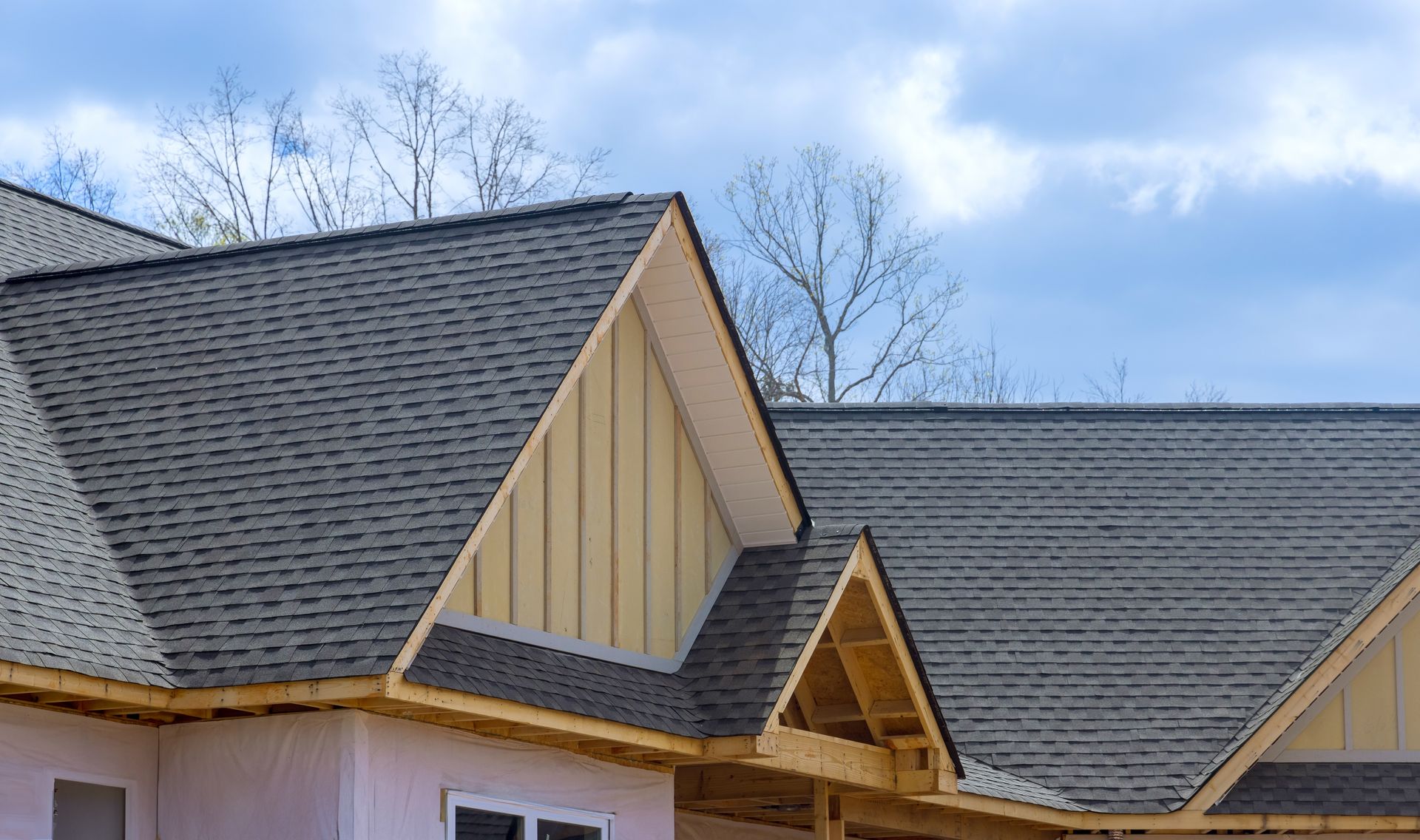
Straight shingle lines without deviation, uniform overhang at eaves and rakes, and flashing that lies flat without gaps or wrinkles indicate careful installation. Shingles should align so cutouts create a consistent pattern, and ridge caps should follow the peak without lifting or buckling.
Ricoflow Home Services provides detailed material specifications and installation timelines based on your roof's size and complexity. Request a detailed estimate that outlines deck repair allowances and ventilation upgrades to address long-term performance.